
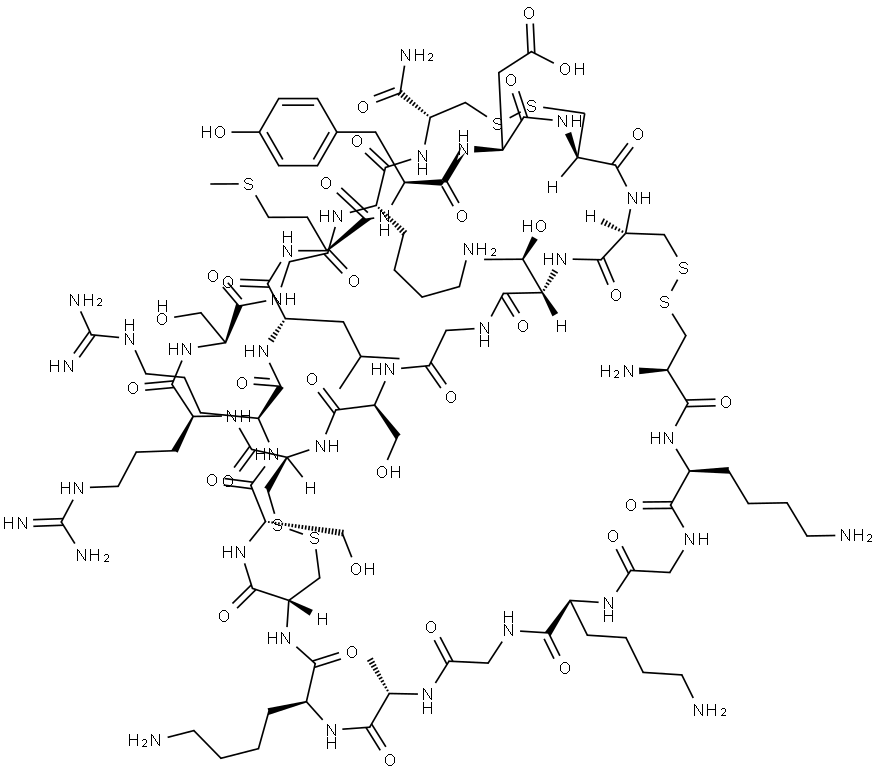
107452-89-1
- Product Name:Ziconotide Polyacetate
- Molecular Formula:C102H172N36O32S7
- Purity:99%
- Molecular Weight:2639.15
Product Details:
CasNo: 107452-89-1
Molecular Formula: C102H172N36O32S7
Appearance: White to off-white Powder
Packing: Bottle
Throughput: 5KG/Month
Purity: 99%
Ziconotide Polyacetate
CAS:107452‑89‑1
Brand name:PRIALT® Code:SNX‑111;ω‑Conotoxin‑MVIIA
Drug class:Synthetic conopeptide, potent‑selective N‑type voltage‑gated calcium‑channel (Cav2.2) blocker; non‑opioid intrathecal analgesic Molecular Molecular Weight:2639.15 (free‑base); polyacetate salt ~2810‑2860
Note:Ziconotide polyacetate is the multi‑acetate salt form of ziconotide, 25‑amino‑acid peptide with three disulfide‑bond linkages, derived from cone‑snail venom peptide ω‑conotoxin MVIIA。 Approval:FDA Dec‑2004; EMA; PMDA;Only for intrathecal infusion。
✅ Official Indication
PRIALT® (ziconotide intrathecal infusion solution) is indicated for the management of severe chronic pain in adult patients for whom intrathecal (IT) therapy is warranted, and who are intolerant of or refractory to other treatments including systemic analgesics, adjunctive therapies or intrathecal morphine.
Dosage remark:Initiate at low dose, slow titration via implantable/external intrathecal pump; NOT for bolus injection. Therapy supervised by physicians experienced in intrathecal drug deliveryEuropean M...。
📄 Detailed Product English Description
Ziconotide polyacetate is the polyacetate salt of ziconotide, a synthetic 25‑residue conopeptide originally isolated from the venom of marine cone snail Conus magus. The peptide contains three characteristic disulfide bridges, forming a compact tertiary structure. API appears as white‑to‑off‑white lyophilized powder, highly water‑soluble. It acts as a potent, reversible and relatively selective blocker of neuronal N‑type voltage‑gated calcium channels (Cav2.2) located at presynaptic nociceptive nerve terminals within the spinal dorsal horn. Channel blockade inhibits calcium influx and suppresses release of pain‑signaling excitatory neurotransmitters including substance‑P and glutamate, thereby interrupting afferent pain‑signal transmission at spinal level. Its analgesic mechanism is completely independent of opioid‑receptor pathways; no cross‑tolerance with opioids occurs. Due to poor blood‑brain‑barrier penetration, therapeutic effect can only be achieved via direct intrathecal infusion into cerebrospinal fluid. The marketed finished product is preservative‑free sterile intrathecal solution delivered by programmable infusion pump. The CSF half‑life is approximately 4.5‑6.3 hours. Slow dose titration is required to reduce neuropsychiatric adverse events. Apart from clinical pain management, this peptide is also widely adopted in pre‑clinical pain‑mechanism research.
⚠️ Safety brief note
Boxed warning: serious neuropsychiatric adverse reactions may occur, including hallucinations, psychosis, depression, cognitive impairment. Contraindicated for patients with history of psychosis. Common adverse effects: dizziness, nystagmus, confusion, nausea. Strict slow titration is mandatory. Do not administer as bolus injection. Discontinue immediately upon onset of severe psychiatric‑neurological symptoms.
Relevant Products
-
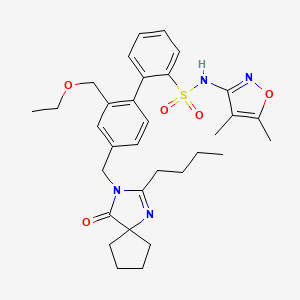 Sparsentan
CAS:254740-64-2
-
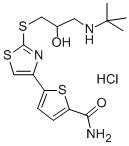 Arotinolol Hcl
CAS:68377-91-3
-
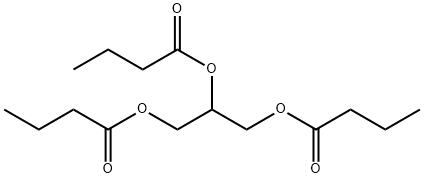 Tributyrin Food grade
CAS:60-01-5


