
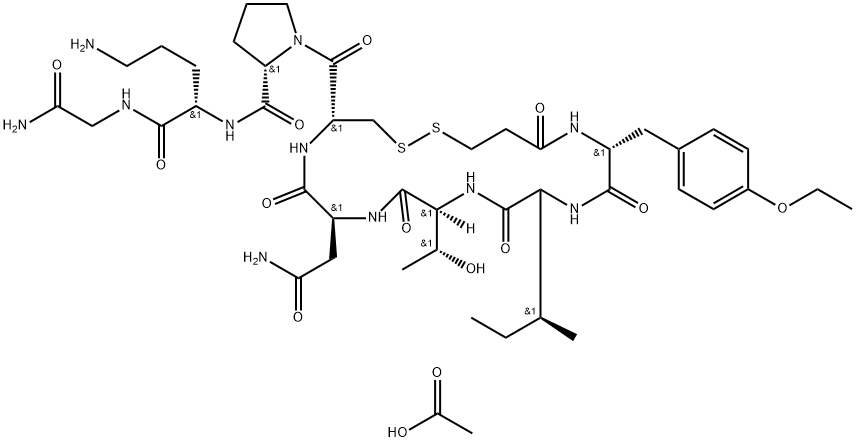
914453-95-5
- Product Name:Atosiban Acetate
- Molecular Formula:C45H71N11O14S2
- Purity:99%
- Molecular Weight:1054.25
Product Details:
CasNo: 914453-95-5
Molecular Formula: C45H71N11O14S2
Appearance: White to almost White Powder
Packing: Aluminium bag
Throughput: 1000KG/Month
Purity: 99%
Atosiban Acetate is an oxytocin receptor antagonist primarily used in obstetric clinical practice, with its core efficacy being inhibiting uterine contractions and delaying preterm labor.
Mechanism of Action
Atosiban Acetate competitively binds to oxytocin receptors located on uterine smooth muscle, decidua, and fetal membranes, thereby blocking the action of oxytocin. This mechanism suppresses the frequency and intensity of uterine smooth muscle contractions, achieving the goal of delaying the progression of preterm labor. Compared with other tocolytics, it has higher selectivity for oxytocin receptors and exerts minimal impact on the cardiovascular system.
Main Clinical Efficacy and Applications
Delaying preterm laborIt is indicated for pregnant women with signs of preterm labor (such as regular uterine contractions and cervical dilation) between 24 and 33 weeks of gestation. It can effectively prolong the gestational period, gaining time for fetal lung maturation (usually combined with glucocorticoids to promote fetal lung development), and reduce the risks of complications like respiratory distress syndrome and intraventricular hemorrhage in premature infants.
Short-term tocolysisIt can be used in scenarios requiring temporary inhibition of uterine contractions, for example, when pregnant women need to be transferred to hospitals equipped with premature infant care facilities, or to secure a window period for prenatal examinations and delivery preparations.
Important Usage Instructions
Administration route: It must be administered intravenously, with an initial loading dose followed by a continuous intravenous infusion. The general course of treatment shall not exceed 48 hours.
Contraindications and precautions: It is contraindicated in pregnant women with a history of cesarean section, at risk of uterine rupture, placental abruption, severe preeclampsia, etc. Caution should be exercised in patients with hepatic or renal insufficiency.
Adverse reactions: Common adverse reactions include nausea, vomiting, headache, and hot flashes, which are generally mild and resolvable after drug withdrawal. Rare severe adverse reactions include hypotension and tachycardia.
Relevant Products
-
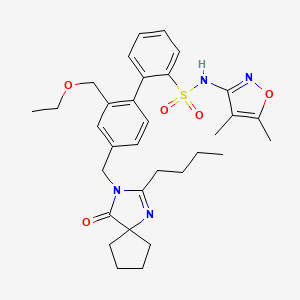 Sparsentan
CAS:254740-64-2
-
 VIP Lyophilized Powder
CAS:40077-57-4
-
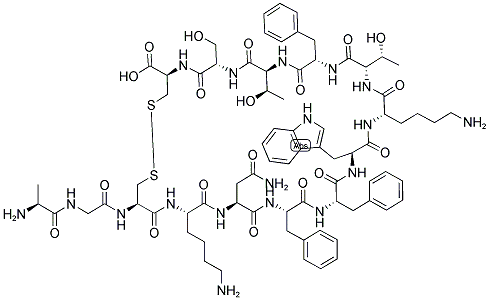 Somatostatin
CAS:51110-01-1


