
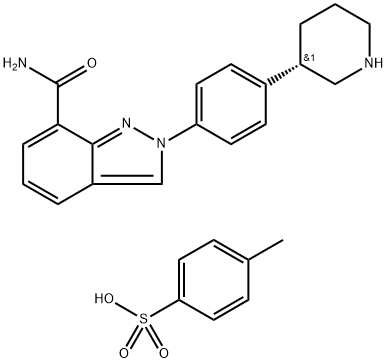
1613220-15-7
- Product Name:Niraparib tosylate
- Molecular Formula:C26H28N4O4S
- Purity:99%
- Molecular Weight:492.59
Product Details:
CasNo: 1613220-15-7
Molecular Formula: C26H28N4O4S
Appearance: White to almost White Powder
Packing: Aluminium bag
Throughput: 100KG/Month
Purity: 99%
Brief Summary
Niraparib tosylate monohydrate (CAS 1650578-80-5) is an orally active, selective PARP-1 / PARP-2 inhibitor. It exploits synthetic lethality in tumour cells with homologous recombination deficiency (HRD), including BRCA-mutant tumours. Originally developed under the brand name Zejula®, it is widely indicated for maintenance therapy of platinum-responsive ovarian, fallopian tube and primary peritoneal cancer. This API is supplied for generic formulation development, CMC study and oncology preclinical research.
Product Overview
Niraparib tosylate monohydrate is the monohydrated tosylate salt form of niraparib, an important oral poly (ADP‑ribose) polymerase (PARP) inhibitor in oncology. Originally discovered by Merck, later advanced by Tesaro and acquired by GSK, it was launched globally under the trade name Zejula® (则乐 ®). Distinct from other PARP inhibitors, niraparib demonstrates potent anti-tumour activity not only in BRCA-mutated tumours, but also in HRD-positive tumours with wild-type BRCA. It is well recognised as a cornerstone maintenance therapy for ovarian cancer, with flexible applicability independent of BRCA mutation status, bringing broad clinical benefits to platinum-sensitive patients. The tosylate monohydrate is the marketed crystalline form used in the commercial capsule formulation.
Mechanism of Action
PARP‑1 and PARP‑2 are core enzymes responsible for the repair of DNA single‑strand breaks. Niraparib selectively binds and inhibits PARP catalytic activity, trapping PARP complexes on damaged DNA. Trapped PARP-DNA adducts are converted into lethal DNA double‑strand breaks during DNA replication. Tumour cells carrying HRD (such as BRCA1/2 loss-of-function mutation) lack an intact homologous recombination pathway to repair double‑strand DNA damage. This synthetic lethality mechanism triggers irreversible DNA damage and tumour cell apoptosis. Notably, niraparib exerts anti-proliferative effects across both BRCA-mutant and BRCA-wildtype HRD-positive tumour populations.
Research & Clinical Background
Niraparib received its first FDA approval in 2017, followed by approvals in EU, China and multiple regions worldwide. Key pivotal trials including NOVA and PRIMA established its clinical value:
- Maintenance treatment for adult patients with recurrent platinum-sensitive epithelial ovarian, fallopian tube or primary peritoneal cancer who achieved complete or partial response after platinum-based chemotherapy;
- First-line maintenance therapy for advanced epithelial ovarian, fallopian tube or primary peritoneal cancer responding to platinum chemotherapy, covering both HRD-positive and overall populations;
- Late-line treatment for HRD-positive advanced ovarian cancer previously exposed to ≥3 chemotherapy regimens. Beyond ovarian cancer, multiple clinical programmes are ongoing to evaluate niraparib for breast cancer, prostate cancer and other solid tumours with HRD features, including combination regimens with novel hormonal agents.
Research & Commercial Applications
Our Niraparib Tosylate Monohydrate API is available for generic drug development and preclinical oncology research:
- Zejula® generic formulation development, process optimisation and CMC documentation preparation
- Crystal form control, impurity profiling, analytical method validation and stability testing
- In vitro PARP enzyme inhibition, DNA damage and synthetic lethality mechanism research
- In vivo anti-tumour efficacy assessment in ovarian cancer PDX and xenograft animal models
- SAR study and lead discovery for next-generation PARP inhibitor programmes
- Combination drug research with chemotherapy, anti-angiogenic agents or targeted therapies
Product Statement & Disclaimer
This product is Niraparib Tosylate Monohydrate API for pharmaceutical R&D and generic formulation. When produced under full GMP compliance, it can be used for clinical trial material manufacturing. It is not a finished medicinal product. End users must comply with local pharmaceutical regulatory requirements and complete necessary quality audits and registrations prior to clinical use. All technical data provided is for reference only.
Relevant Products
-
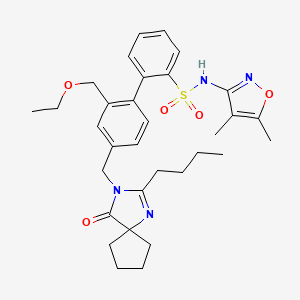 Sparsentan
CAS:254740-64-2
-
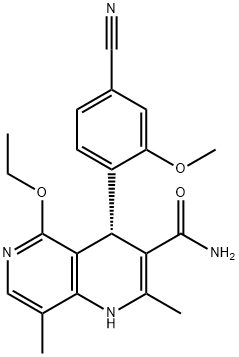 Finerenone
CAS:1050477-31-0
-
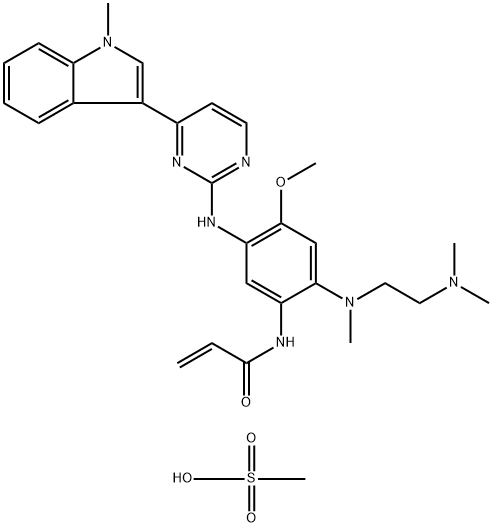 Osimertinib
CAS:1421373-66-1


