
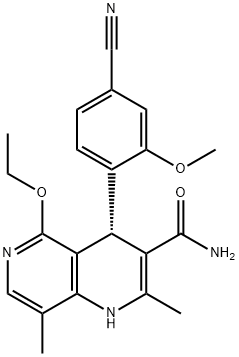
1050477-31-0
- Product Name:Finerenone
- Molecular Formula:C21H22N4O3
- Purity:99%
- Molecular Weight:378.42
Product Details:
CasNo: 1050477-31-0
Molecular Formula: C21H22N4O3
Appearance: White to off-white Powder
Packing: Aluminium bag
Throughput: 100KG/Month
Purity: 99%
Brief Summary
Finerenone (CAS 1050477-31-0, BAY 94-8862) is a first-in-class nonsteroidal selective mineralocorticoid receptor antagonist (nsMRA). It delivers dual cardiorenal protection by blocking MR overactivation, reducing inflammation and fibrosis in kidney, heart and vascular tissues. Originally developed by Bayer and marketed as Kerendia®, it is approved for chronic kidney disease associated with type 2 diabetes and heart failure indications. This API is widely used for generic formulation development, analytical method validation and preclinical cardiorenal research.
Product Overview
Finerenone is a landmark third-generation mineralocorticoid receptor antagonist with a fully nonsteroidal scaffold, fundamentally different from older steroidal MRAs such as spironolactone and eplerenone. It was discovered by Bayer AG under the code BAY 94-8862 and launched globally under the brand name Kerendia®. Thanks to its high binding selectivity toward the mineralocorticoid receptor, finerenone shows negligible affinity for androgen, estrogen, progesterone and glucocorticoid receptors, which greatly avoids sex-hormone-related adverse reactions and expands its clinical safety window compared with traditional steroid-based MR antagonists. It has become a cornerstone therapeutic agent for diabetic kidney disease and cardiorenal risk management.
Mechanism of Action
The mineralocorticoid receptor (MR) can be activated by aldosterone and cortisol, triggering intracellular transcriptional programmes that drive inflammation and tissue fibrosis in epithelial and non‑epithelial organs including kidneys, myocardium and blood vessels. Excessive MR activation is a key driver of progressive renal function decline, albuminuria, ventricular remodelling and cardiovascular events in diabetic patients. Finerenone binds selectively to the MR and blocks downstream pro‑fibrotic and pro‑inflammatory signalling cascades. It inhibits MR-mediated sodium retention, reduces renal interstitial fibrosis and glomerular injury, and attenuates pathological remodelling of the heart and vasculature. This unique mode of action provides simultaneous kidney and cardiovascular protection independent of blood pressure reduction.
Research & Clinical Background
Large pivotal clinical trials including FIDELIO‑DKD and FIGARO‑DKD established the robust cardiorenal benefits of finerenone. It received FDA approval in 2021, followed by approvals in EU, China and many other regions. Primary approved indications:
- Reduce risk of sustained eGFR decline, end-stage kidney disease, cardiovascular death, non-fatal myocardial infarction and heart failure hospitalization in adult patients with CKD associated with type 2 diabetes mellitus;
- Lower the risk of cardiovascular death, heart failure hospitalization and urgent heart-failure visits in adult heart-failure patients with LVEF ≥40%. Beyond approved indications, finerenone is actively investigated in preclinical and clinical programmes covering primary aldosteronism, resistant hypertension, atrial fibrillation and diabetic retinopathy.
Research & Commercial Applications
Our Finerenone API is offered for generic pharmaceutical development and preclinical pharmacological evaluation:
- Generic drug formulation, process optimization and CMC documentation preparation for Kerendia® biosimilars/generics
- Analytical method development, impurity profiling and stability study
- In vitro receptor binding, cellular functional assays for MR signalling pathway research
- In vivo animal model studies of diabetic nephropathy, renal fibrosis and chronic heart failure
- SAR study and new MRA lead compound discovery for cardiorenal drug discovery
Product Statement & Disclaimer
This product is Finerenone active pharmaceutical ingredient (API) for pharmaceutical R&D and generic formulation use. It can be used for regulatory submission and clinical trial material production upon full GMP qualification. It is not a finished dosage form. End users shall comply with local pharmaceutical regulatory rules, complete necessary registration and quality audit before clinical use. All technical data are for reference only.
Relevant Products
-
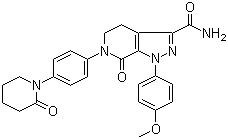 Apixaban
CAS:503612-47-3
-
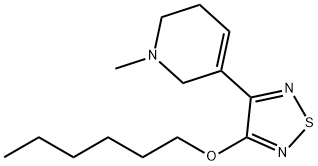 Xanomeline
CAS:131986-45-3
-
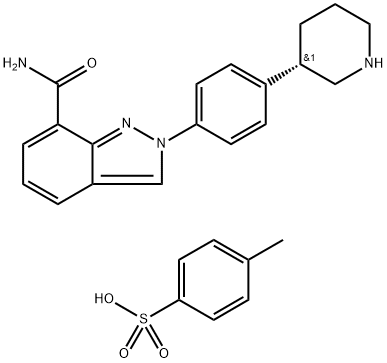 Niraparib tosylate
CAS:1613220-15-7


