
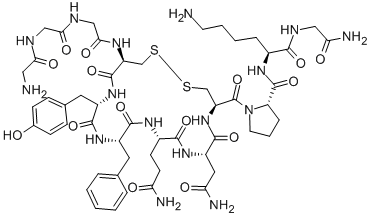
14636-12-5
- Product Name:Terlipressin acetate
- Molecular Formula:C52H74N16O15S2
- Purity:99%
- Molecular Weight:1227.37
Product Details:
CasNo: 14636-12-5
Molecular Formula: C52H74N16O15S2
Appearance: White to off-white Powder
Packing: Bottle
Throughput: 100KG/Month
Purity: 99%
1. Basic Product Information
- Generic Name: Terlipressin Acetate
- Chemical Category: Synthetic vasopressin analog (a cyclic polypeptide hormone derivative)
- CAS Number: 14636-12-5
- Molecular Formula: C52H74N16O15⋅xC2H4O2
- Molecular Weight: 1125.26 (free base); varies slightly with acetate salt content
- Physical and Chemical Properties: White to off-white lyophilized powder; soluble in water and normal saline; stable under sealed, refrigerated conditions (2∘C-8∘C) and protected from light.
2. Pharmacological Mechanism
Terlipressin acetate exerts its biological effects by selectively binding to V1 vasopressin receptors in vascular smooth muscle and V2 receptors in the renal collecting duct (with higher affinity for V1 receptors). Its core mechanisms include:
- Vasoconstriction: Activates V1 receptors in visceral blood vessels (especially splanchnic circulation), reducing blood flow to the portal vein system and lowering portal pressure.
- Hemostatic effect: Constricts damaged blood vessels at bleeding sites, promotes platelet aggregation, and enhances blood clotting efficiency.
- Antidiuretic effect: Stimulates V2 receptors to reduce renal water excretion, with a weaker antidiuretic effect than natural vasopressin, minimizing the risk of water retention.
3. Indications
- Esophageal and Gastric Variceal Bleeding (EGVB): First-line treatment for acute bleeding caused by portal hypertension (e.g., cirrhosis-related varices). It rapidly reduces portal pressure and controls severe upper gastrointestinal bleeding, reducing the risk of rebleeding and mortality.
- Hepatorenal Syndrome (HRS): Used to treat type 1 hepatorenal syndrome in cirrhotic patients, improving renal perfusion and reversing acute renal function deterioration when combined with albumin.
- Abdominal Compartment Syndrome: Assists in reducing intra-abdominal pressure by regulating visceral blood flow and improving tissue perfusion.
- Perioperative Hemostasis: Applied in surgeries with high bleeding risks (e.g., liver transplantation, pancreatic surgery) to reduce intraoperative blood loss.
4. Administration and Dosage
- Administration Route: Intravenous injection or slow intravenous infusion; not for intramuscular or subcutaneous injection due to poor absorption and local irritation risks.
- Recommended Dosage Regimen
- For EGVB: Initial loading dose of 2 mg diluted in 10 mL normal saline, injected slowly over 5-10 minutes; followed by a maintenance dose of 1 mg every 4-6 hours for 24-48 hours, adjusted based on bleeding control status.
- For HRS: 1 mg every 6-12 hours, combined with intravenous albumin (20-40 g/day), with a treatment course of up to 14 days depending on renal function recovery.
- Dosage Adjustment: Reduce dosage by 50% in patients with severe renal impairment, hepatic insufficiency, or elderly patients over 65 years old.
5. Contraindications and Precautions
Contraindications
- Hypersensitivity to terlipressin acetate, vasopressin analogs, or any excipients in the formulation.
- Severe coronary artery disease, peripheral arterial occlusive disease, or uncontrolled hypertension.
- Pregnant or lactating women (unless the potential benefit outweighs the risk to the fetus/infant, and use is strictly supervised by a physician).
Precautions
- Monitoring Requirements: During administration, closely monitor blood pressure, heart rate, electrolytes, and renal function; discontinue use immediately if hypertension, bradycardia, or arrhythmia occurs.
- Diabetes Patients: May affect blood glucose regulation; monitor blood glucose levels regularly and adjust hypoglycemic medication dosage as needed.
- Fluid Balance: Avoid excessive fluid infusion to prevent hyponatremia or water retention.
- Drug Interactions: Concurrent use with vasoconstrictors (e.g., norepinephrine) may increase the risk of hypertensive crisis; combined use with diuretics may enhance electrolyte imbalance.
6. Adverse Reactions
Common Adverse Reactions (incidence > 5%)
- Cardiovascular system: Transient hypertension, bradycardia, palpitations.
- Gastrointestinal system: Nausea, abdominal cramps, diarrhea.
- Metabolic: Electrolyte disturbances (e.g., hyponatremia, hypokalemia).
Rare Adverse Reactions (incidence < 1%)
- Ischemic events: Myocardial ischemia, peripheral ischemia, cerebral infarction (more common in patients with underlying vascular diseases).
- Allergic reactions: Urticaria, angioedema, anaphylactic shock (rare but life-threatening).
- Others: Headache, tremor, water retention.
7. Product Advantages and Market Application
- Clinical Superiority: Compared with traditional vasopressin, terlipressin acetate has longer half-life, higher receptor selectivity, and fewer cardiovascular adverse reactions, making it the gold standard for treating portal hypertension-related bleeding.
- Market Demand: Widely used in hepatology, gastroenterology, and surgery departments globally; with the increasing incidence of liver cirrhosis and portal hypertension, the market demand for terlipressin acetate continues to grow, especially in emerging markets in Asia, Africa, and Latin America.
- Regulatory Status: Approved by major regulatory authorities including FDA (US), EMA (EU), and NMPA (China); classified as an essential drug in many countries for the management of acute upper gastrointestinal bleeding.
8. Storage and Shelf Life
- Storage Conditions: Store sealed in a cool, dry place at 2∘C-8∘C, protected from light and moisture; do not freeze.
- Shelf Life: 24 months from the date of manufacture when stored as required; 48 hours after reconstitution with normal saline (if stored at room temperature) or 7 days (if refrigerated).
Relevant Products
-
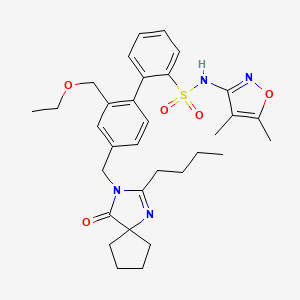 Sparsentan
CAS:254740-64-2
-
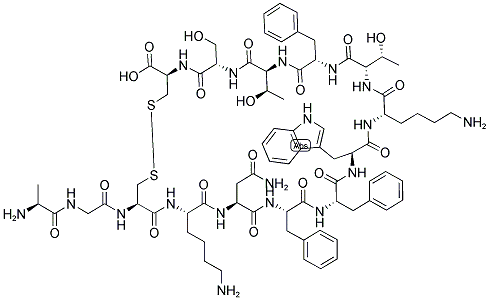 Somatostatin
CAS:51110-01-1
-
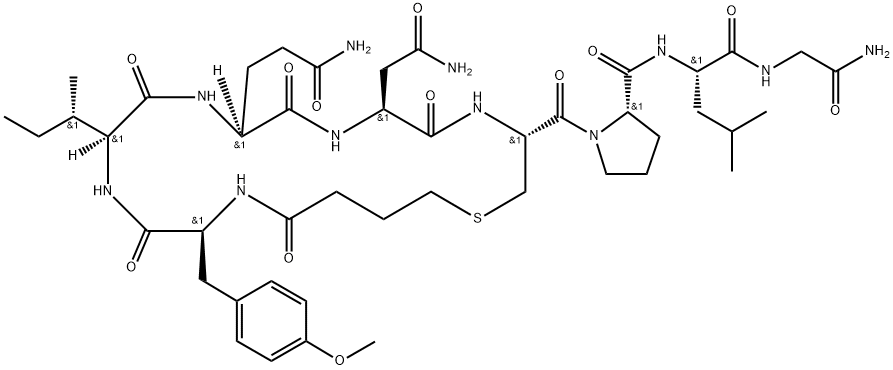 Carbetocin
CAS:37025-55-1


