
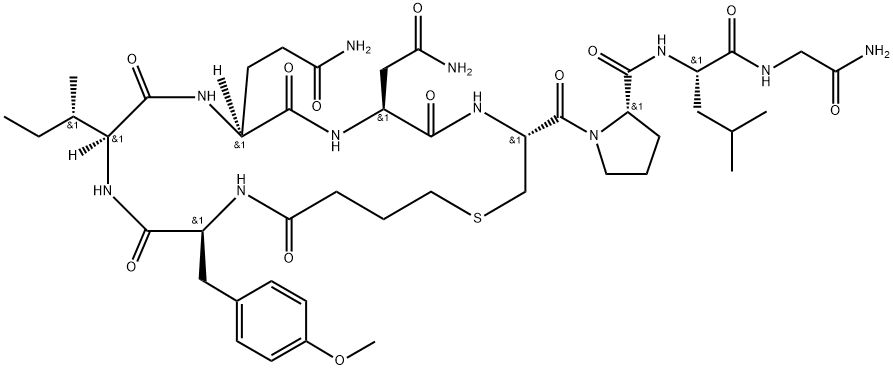
37025-55-1
- Product Name:Carbetocin
- Molecular Formula:C45H69N11O12S
- Purity:99%
- Molecular Weight:988.17
Product Details:
CasNo: 37025-55-1
Molecular Formula: C45H69N11O12S
Appearance: White to off-white Powder
Packing: Bottle
Throughput: 100KG/Month
Purity: 99%
1. Basic Product Information
- Generic Name: Carbetocin
- Chemical Category: Synthetic oxytocin analog (long-acting cyclic polypeptide hormone)
- CAS Number: 37025-55-1
- Molecular Formula: C45H69N11O12S2
- Molecular Weight: 1008.23
- Physical and Chemical Properties: White to off-white crystalline powder; soluble in water and dilute aqueous solutions of acids/bases; stable under refrigerated conditions (2∘C–8∘C). The reconstituted solution should be used immediately to avoid degradation.
2. Pharmacological Mechanism
Carbetocin acts as a selective agonist of uterine oxytocin receptors, with a longer duration of action than endogenous oxytocin. Its core mechanisms include:
- Uterine contraction stimulation: Binds to oxytocin receptors on uterine smooth muscle cells, inducing rhythmic and coordinated uterine contractions, which enhances uterine tone and reduces postpartum bleeding risk.
- Prolonged biological activity: Unlike short-acting oxytocin, carbetocin has a half-life of approximately 40–50 minutes (vs. 3–5 minutes for oxytocin), eliminating the need for continuous intravenous infusion during the postpartum period.
- Minimal off-target effects: Has no significant affinity for vasopressin receptors, thus avoiding adverse reactions such as water retention, hyponatremia, or hypertension associated with traditional oxytocic drugs.
3. Indications
- Prevention of Postpartum Hemorrhage (PPH): First-line indication for women undergoing vaginal delivery or cesarean section. Administered immediately after fetal delivery to enhance uterine contraction, reduce blood loss, and lower the incidence of severe postpartum hemorrhage.
- Management of Uterine Atony: Used to treat postpartum uterine atony (a leading cause of PPH) when conventional oxytocin therapy fails to achieve adequate uterine tone.
- Induction of Labor (Off-label Use): In some clinical settings, it is used for labor induction in term pregnant women with favorable cervical conditions, though this application requires strict physician supervision.
4. Administration and Dosage
- Administration Route:
- Vaginal delivery: Intramuscular injection (IM) of a single dose, administered after the delivery of the anterior shoulder of the fetus.
- Cesarean section: Intravenous injection (IV) of a single dose, administered after the delivery of the fetus and before placental separation.
- Recommended Dosage:
- Adult women: A single dose of 100 μg (0.1 mg) is standard for both IM and IV administration. No dosage adjustment is required for women with normal renal or hepatic function.
- Special populations: For women with severe renal impairment, the dosage should be reduced by 50%, and uterine tone should be closely monitored.
- Duration of Action: The uterine contractile effect starts within 1–2 minutes after IV injection and 5–10 minutes after IM injection, lasting for 1–2 hours.
5. Contraindications and Precautions
Contraindications
- Hypersensitivity to carbetocin, oxytocin analogs, or any excipients in the formulation.
- Pregnant women before fetal delivery (to avoid uterine hyperstimulation, fetal distress, or uterine rupture).
- Women with a history of uterine surgery (e.g., previous cesarean section, myomectomy) or abnormal uterine anatomy, which may increase the risk of uterine rupture.
- Severe cardiovascular diseases, uncontrolled hypertension, or eclampsia.
Precautions
- Uterine Tone Monitoring: During and after administration, continuously monitor uterine contractions and blood loss. Discontinue use immediately if signs of uterine hyperstimulation (e.g., tachysystole, fetal distress in undelivered cases) appear.
- Fluid Balance: Avoid excessive intravenous fluid infusion to prevent volume overload, especially in women with renal or cardiac insufficiency.
- Lactation: Carbetocin is excreted in breast milk but has no adverse effects on infants; breastfeeding can be initiated safely after administration.
- Drug Interactions: Concurrent use with other uterotonics (e.g., misoprostol, ergometrine) may increase the risk of uterine hyperstimulation and should be avoided unless under strict medical supervision.
6. Adverse Reactions
Common Adverse Reactions (incidence > 5%)
- Uterine-related: Transient uterine hyperstimulation, abdominal cramps, or pelvic pain.
- Gastrointestinal: Nausea, vomiting, diarrhea (mild and self-limiting).
- Cardiovascular: Transient hypotension or hypertension (rare, usually resolves without treatment).
Rare Adverse Reactions (incidence < 1%)
- Allergic reactions: Urticaria, pruritus, or anaphylactic shock (extremely rare, requires immediate medical intervention).
- Metabolic: Hyponatremia (rare, due to minimal antidiuretic effect compared to oxytocin).
- Neurological: Headache, dizziness, or fatigue.
7. Product Advantages and Market Application
- Clinical Superiority: As a long-acting oxytocin analog, carbetocin eliminates the need for continuous infusion, simplifies postpartum care procedures, and improves patient compliance. It has a better safety profile than traditional uterotonics, with lower risks of water retention and cardiovascular adverse events.
- Market Demand: Recognized as a core drug for postpartum hemorrhage prevention by the World Health Organization (WHO); widely used in obstetric departments globally. The market demand is growing steadily, especially in low- and middle-income countries with high PPH incidence rates.
- Regulatory Status: Approved by major regulatory authorities including FDA (US), EMA (EU), NMPA (China), and WHO Prequalification; included in the national essential drug lists of many countries.
8. Storage and Shelf Life
- Storage Conditions: Store sealed in a cool, dry place at 2∘C–8∘C, protected from light and moisture. Do not freeze or expose to high temperatures.
- Shelf Life: 36 months from the date of manufacture under recommended storage conditions. The reconstituted solution is stable for 24 hours when refrigerated and 4 hours at room temperature.
Relevant Products
-
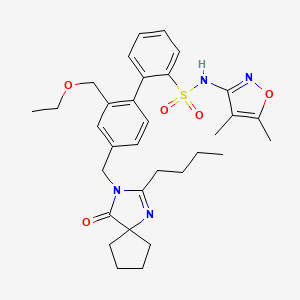 Sparsentan
CAS:254740-64-2
-
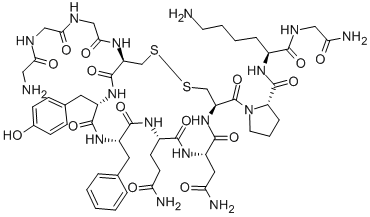 Terlipressin acetate
CAS:14636-12-5
-
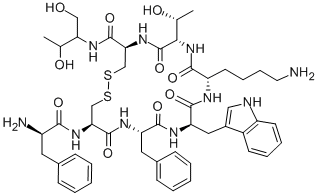 Octreotide acetate
CAS:83150-76-9


