
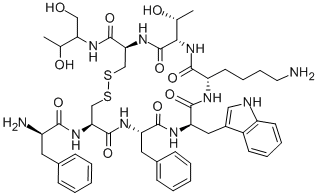
83150-76-9
- Product Name:Octreotide acetate
- Molecular Formula:C49H66N10O10S2
- Purity:99%
- Molecular Weight:1019.24
Product Details:
CasNo: 83150-76-9
Molecular Formula: C49H66N10O10S2
Appearance: White to almost White Powder
Packing: Bottle
Throughput: 100KG/Month
Purity: 99%
1. Basic Product Information
- Generic Name: Octreotide Acetate
- Chemical Category: Synthetic somatostatin analog (octapeptide derivative)
- CAS Number: 83150-76-9
- Molecular Formula: C49H66N10O10S2⋅C2H4O2
- Molecular Weight: 1106.26
- Physical and Chemical Properties: White to off-white lyophilized powder; freely soluble in water and acetic acid solution; slightly soluble in ethanol. Stable under sealed, refrigerated conditions (2∘C–8∘C); protect from light and moisture to avoid degradation. The reconstituted solution should be used within 24 hours if stored at room temperature, or 7 days if refrigerated.
2. Pharmacological Mechanism
Octreotide acetate exerts a potent and long-lasting inhibitory effect by selectively binding to somatostatin receptors (SSTR1, SSTR2, SSTR3, SSTR5) distributed in various target tissues. Its core mechanisms include:
- Inhibiting hormone secretion: Suppresses the release of growth hormone (GH), thyroid-stimulating hormone (TSH), and gastrointestinal hormones (gastrin, insulin, glucagon, vasoactive intestinal peptide, etc.).
- Regulating gastrointestinal function: Reduces gastric acid secretion, intestinal peristalsis, and pancreatic exocrine activity; decreases visceral blood flow by constricting splanchnic blood vessels.
- Antitumor effect: Inhibits the proliferation of tumor cells that overexpress somatostatin receptors (e.g., neuroendocrine tumors) and induces tumor cell apoptosis in some cases.
- Prolonged duration of action: Compared with endogenous somatostatin (half-life 1–3 minutes), octreotide acetate has a half-life of 1.5–2 hours, and its long-acting depot formulation can maintain therapeutic effects for up to 4 weeks.
3. Indications
3.1 Endocrine Disorders
- Acromegaly: First-line treatment for patients with excessive growth hormone secretion, used to reduce GH levels, alleviate clinical symptoms (e.g., enlarged hands and feet, facial coarsening), and shrink pituitary adenomas. Effective for patients who are intolerant to surgery or radiotherapy, or as an adjuvant therapy post-surgery.
- Gigantism: Used to control excessive GH secretion in pediatric patients with gigantism, delaying the progression of abnormal growth.
- Thyrotropin-secreting pituitary adenomas: Reduces TSH secretion and normalizes thyroid hormone levels.
3.2 Gastrointestinal and Pancreatic Diseases
- Severe Acute Pancreatitis: Inhibits pancreatic enzyme secretion, reduces pancreatic inflammation and edema, and improves clinical outcomes in patients with severe acute pancreatitis or pancreatic fistula.
- Gastrointestinal Bleeding: Effective for upper gastrointestinal bleeding caused by peptic ulcers or esophageal varices; reduces visceral blood flow and gastric acid secretion to achieve hemostasis.
- Diarrhea and Flushing Associated with VIPomas: Relieves severe watery diarrhea, hypokalemia, and flushing caused by vasoactive intestinal peptide-secreting tumors (VIPomas).
3.3 Neuroendocrine Tumors (NETs)
- Carcinoid Tumors: Controls carcinoid syndrome symptoms (flushing, diarrhea, bronchoconstriction) by inhibiting the secretion of serotonin and other vasoactive substances.
- Pancreatic Neuroendocrine Tumors (PNETs): Inhibits tumor growth and hormone secretion in patients with functional PNETs (e.g., insulinomas, gastrinomas).
4. Administration and Dosage
4.1 Administration Routes
- Subcutaneous injection: For short-term treatment of acute conditions (e.g., acute pancreatitis, gastrointestinal bleeding) or dose titration in acromegaly patients.
- Intramuscular injection: Only for long-acting depot formulations, used for maintenance treatment of chronic conditions (e.g., acromegaly, neuroendocrine tumors).
- Intravenous infusion: Reserved for severe cases (e.g., refractory pancreatic fistula) under strict medical supervision.
4.2 Recommended Dosage Regimen
4.2.1 Acromegaly
- Initial dose: 50–100 μg subcutaneously, 3 times daily; adjust the dose based on GH and insulin-like growth factor-1 (IGF-1) levels, with a maximum daily dose of 1500 μg.
- Long-acting depot formulation: 20–30 mg intramuscularly every 4 weeks; titrate the dose according to therapeutic response.
4.2.2 Severe Acute Pancreatitis
- 100 μg subcutaneously, 3 times daily, for 5–7 days; can be increased to 200 μg per dose in severe cases.
4.2.3 Carcinoid Syndrome
- Initial dose: 100–200 μg subcutaneously, 3 times daily; adjust based on symptom control, with a maximum daily dose of 1500 μg.
- Long-acting depot formulation: 20–30 mg intramuscularly every 4 weeks.
4.2.4 Special Populations
- Hepatic/renal impairment patients: No dosage adjustment is required for mild to moderate impairment; reduce the dose by 50% in patients with severe renal failure (creatinine clearance < 30 mL/min).
- Elderly patients: Start with the lowest effective dose and monitor closely for adverse reactions.
5. Contraindications and Precautions
5.1 Contraindications
- Hypersensitivity to octreotide acetate, somatostatin analogs, or any excipients in the formulation.
- Pregnancy and lactation (unless the potential benefit outweighs the risk to the fetus/infant, and use is strictly supervised by a physician).
5.2 Precautions
- Blood Glucose Monitoring: Octreotide inhibits insulin and glucagon secretion, which may cause hypoglycemia or hyperglycemia, especially in diabetic patients. Monitor blood glucose levels closely during the initial treatment phase and adjust hypoglycemic or hyperglycemic medications as needed.
- Gallbladder Function Monitoring: Long-term use may increase the risk of gallstone formation due to reduced gallbladder motility. Perform regular ultrasound examinations of the gallbladder; if gallstones are detected without symptoms, continue treatment and monitor periodically.
- Cardiovascular Monitoring: May cause bradycardia or arrhythmia, especially in patients with underlying heart disease. Monitor heart rate and electrocardiogram (ECG) regularly; reduce the dose or discontinue use if bradycardia (< 50 beats/min) occurs.
- Nutritional Status: Long-term use may lead to malabsorption of nutrients (e.g., fat, vitamins) due to reduced gastrointestinal motility. Monitor nutritional indicators (e.g., serum albumin, body weight) and supplement nutrients if necessary.
- Drug Interactions:
- Concurrent use with cyclosporine may reduce cyclosporine blood levels; monitor cyclosporine concentrations and adjust the dose.
- Combined use with beta-blockers may increase the risk of bradycardia.
- Avoid concurrent use with other somatostatin analogs to prevent excessive inhibition of hormone secretion.
6. Adverse Reactions
6.1 Common Adverse Reactions (incidence > 10%)
- Gastrointestinal system: Nausea, vomiting, abdominal cramps, diarrhea, flatulence; these symptoms are usually mild and transient, improving within 1–2 weeks of treatment initiation.
- Metabolic: Hyperglycemia, hypoglycemia, steatorrhea (fatty stool).
- Local reactions: Pain, redness, swelling at the injection site (more common with subcutaneous injection).
6.2 Rare Adverse Reactions (incidence < 5%)
- Gallbladder disorders: Gallstones, cholecystitis (more common in long-term depot formulation users).
- Cardiovascular system: Bradycardia, hypotension, arrhythmia.
- Endocrine system: Hypothyroidism (rare, associated with long-term high-dose use).
- Allergic reactions: Urticaria, pruritus, anaphylactic shock (extremely rare).
7. Product Advantages and Market Application
7.1 Clinical Superiority
- High receptor selectivity: Has a higher affinity for SSTR2 and SSTR5 than endogenous somatostatin, resulting in stronger therapeutic effects and fewer off-target reactions.
- Dual formulation options: Short-acting injection for acute condition management and long-acting depot formulation for chronic disease maintenance, improving patient compliance significantly.
- Broad indication spectrum: Covers endocrine disorders, pancreatic diseases, and neuroendocrine tumors, making it a versatile drug in multiple clinical specialties.
7.2 Market Demand
- Recognized as a core drug for the treatment of acromegaly and neuroendocrine tumors by the European Neuroendocrine Tumor Society (ENETS) and the Endocrine Society.
- Global market demand is growing steadily, driven by the increasing diagnosis rate of neuroendocrine tumors and the expanding application in pancreatic disease treatment.
- High demand in both developed markets (US, EU, Japan) and emerging markets (China, India, Brazil), with long-acting depot formulations accounting for the majority of market share.
7.3 Regulatory Status
- Approved by major regulatory authorities including FDA (US), EMA (EU), NMPA (China), and PMDA (Japan).
- Included in the World Health Organization (WHO) Model List of Essential Medicines for the treatment of acromegaly and severe acute pancreatitis.
8. Storage and Shelf Life
- Short-acting injection powder: Store sealed at 2∘C–8∘C, protected from light and moisture. Shelf life: 24 months from the date of manufacture.
- Long-acting depot formulation: Store at 2∘C–8∘C; do not freeze. Shelf life: 36 months from the date of manufacture.
- Reconstituted solution: Stable for 24 hours at room temperature or 7 days at 2∘C–8∘C; discard any unused solution after this period.
Relevant Products
-
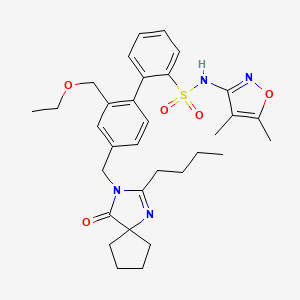 Sparsentan
CAS:254740-64-2
-
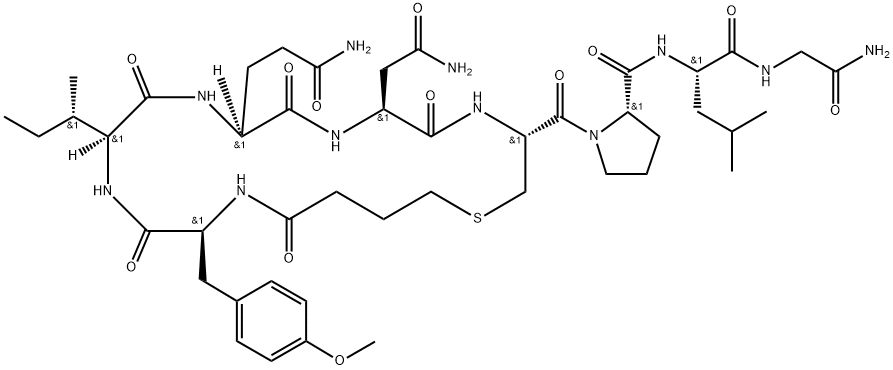 Carbetocin
CAS:37025-55-1
-
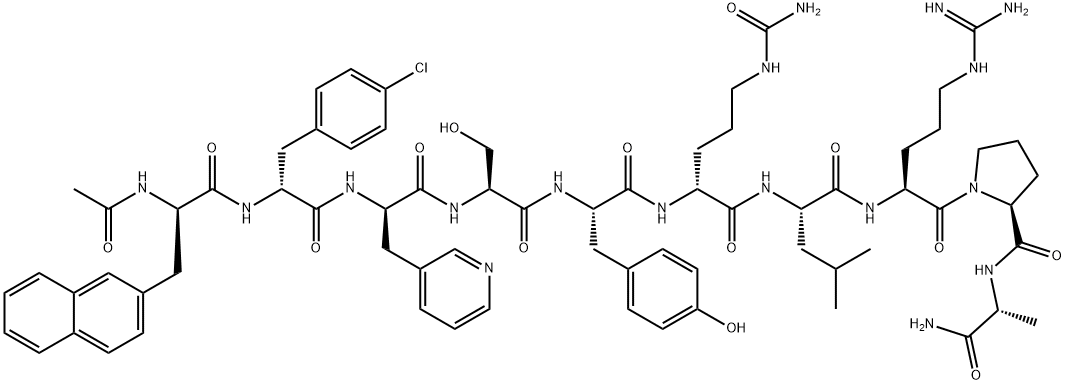 Cetrorelix acetate
CAS:120287-85-6


