
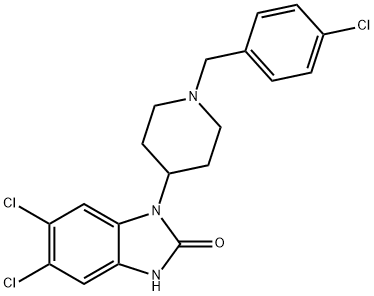
2134602-45-0
- Product Name:SR17018
- Molecular Formula:C19H18Cl3N3O
- Purity:99%
- Molecular Weight:410.72
Product Details:
CasNo: 2134602-45-0
Molecular Formula: C19H18Cl3N3O
Appearance: White to faintly beige powder
Delivery Time: 2 weeks after order
Throughput: 1000KG/Month
Purity: 99%
SR17018 is a non-peptide, small-molecule G protein-biased agonist of the μ-opioid receptor (MOR). It preferentially activates G protein signaling (mediating analgesia) while minimizing β-arrestin2 recruitment (linked to adverse effects like respiratory depression and tolerance), making it a valuable tool for safer pain management research. Below is a comprehensive product overview.
1. Mechanism of Action
SR17018 binds to MOR (a GPCR) and stabilizes a conformation favoring coupling to inhibitory G proteins (Gαi/o). This triggers:
- Dissociation of Gαi/o-GTP and Gβγ subunits; Gαi/o inhibits adenylyl cyclase, reducing cAMP and hyperpolarizing neurons to suppress pain signaling.
- Minimal β-arrestin2 recruitment, avoiding receptor desensitization, internalization, and adverse effects associated with conventional opioids.
- Unique MOR phosphorylation dynamics (persistent vs. transient with full agonists like DAMGO), which may reverse morphine tolerance and prevent withdrawalPMC.
2. Key Applications
- Pain Research: Development of safer analgesics with reduced respiratory depression, constipation, and tolerance risk.
- Opioid Pharmacology: Studying MOR signaling bias, receptor phosphorylation, and biased agonist designPMC.
- Addiction Research: Investigating reversal of morphine tolerance and prevention of opioid withdrawalPMC.
- Neuroscience: Probing GPCR signaling in pain pathways and neuronal function.
- Drug Discovery: Lead compound for novel MOR-targeted therapeutics with improved safety profiles.
3. Safety & Handling
- Hazard Statements: May cause skin/eye irritation; harmful if swallowed or inhaled; potential for central nervous system (CNS) depression.
- Precautionary Measures: Use in a fume hood with PPE (gloves, goggles, lab coat). Avoid contact with strong oxidizers.
- Disposal: Dispose as hazardous waste per local regulations.
- Note: For research use only; not for human or veterinary clinical applications.
4. Packaging & Quality Control
- Packaging: 10 mg, 50 mg, 100 mg, 1 g in amber glass vials (light protection).
- Quality Assurance: Each batch tested for HPLC purity, activity, solubility, and stability; COA provided.
Relevant Products
-
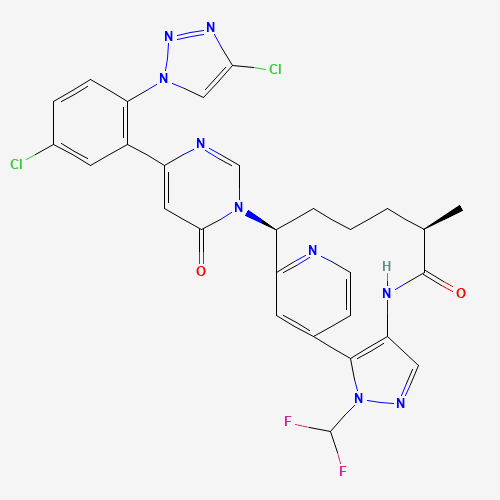 Milvexian
CAS:1802425-99-5
-
 Alexidine dihydrochloride
CAS:22573-93-9
-
 Levomefolic Acid
CAS:31690-09-2


