
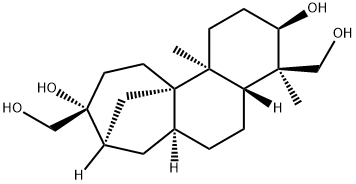
38966-21-1
- Product Name:Aphidicolin
- Molecular Formula:C20H34O4
- Purity:99%
- Molecular Weight:338.48
Product Details:
CasNo: 38966-21-1
Molecular Formula: C20H34O4
Appearance: White to off-white Powder
Delivery Time: 2 weeks after order
Packing: Aluminium bag
Throughput: 10000KG/Month
Purity: 99%
Aphidicolin (CAS: 38966-21-1) is a tetracyclic diterpenoid antibiotic naturally isolated from the fermentation broth of fungal strains including Cephalosporium aphidicola and Nigrospora sphaerica. Renowned for its highly selective inhibition of eukaryotic DNA polymerases, it serves as a gold-standard tool compound in cell biology, virology, and oncology research. This product is strictly intended for research use only and not approved for human or veterinary therapeutic applications.
1 Mechanism of Action
Aphidicolin exerts its biological effects by specifically targeting eukaryotic DNA polymerases α, δ, and ε—key enzymes responsible for nuclear DNA replication and repair. It binds competitively to the polymerase active site, blocking nucleotide incorporation and halting DNA synthesis. This action synchronizes the cell cycle, arresting the majority of cells at the G1/S transition phase. Notably, it has minimal inhibitory effects on prokaryotic DNA polymerases or eukaryotic mitochondrial DNA polymerase γ, ensuring high selectivity for nuclear DNA processes.
2. Key Applications
- Cell Cycle Research: Widely used for cell cycle synchronization, enabling the study of molecular events during the G1/S checkpoint and DNA replication phases. It is a staple reagent for investigating cell cycle regulatory proteins such as cyclins and CDKs.
- Virology Studies: Inhibits the replication of DNA viruses (e.g., herpes simplex virus, adenovirus) by blocking viral DNA synthesis in infected host cells. Serves as a positive control in antiviral drug screening assays.
- Oncology & Drug Development: Induces apoptosis in tumor cells by disrupting DNA replication and activating DNA damage response pathways. Enhances the cytotoxicity of chemotherapeutic agents (e.g., cytarabine) and is used to evaluate novel anticancer drug candidates targeting DNA replication machinery.
- DNA Repair Mechanism Analysis: A critical tool for studying nucleotide excision repair (NER) and homologous recombination (HR) pathways, by inducing controlled DNA replication stress in experimental models.
3. Safety & Handling
- Toxicity: Exhibits cytotoxicity to eukaryotic cells; avoid inhalation, skin contact, or ingestion. Wear appropriate PPE (gloves, lab coat, safety goggles) during handling.
- Regulatory Status: For Research Use Only (RUO). Not for human consumption, clinical diagnosis, or veterinary use.
- Waste Disposal: Dispose of unused material and contaminated waste in accordance with local environmental and laboratory safety regulations.
4. Packaging & Documentation
- Standard Packaging: 10 mg, 50 mg, 100 mg, 1 g, 5 g, and custom bulk quantities to meet research and manufacturing needs.
- Supporting Documents: Certificate of Analysis (COA), Material Safety Data Sheet (MSDS), and structural confirmation reports (NMR, HPLC) are available upon request.
Relevant Products
-
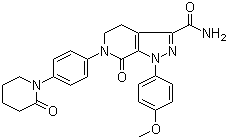 Apixaban
CAS:503612-47-3
-
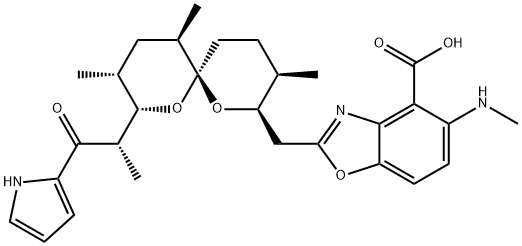 Calcimycin
CAS:52665-69-7
-
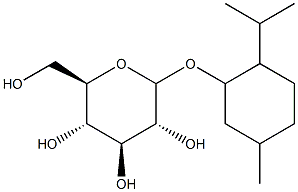 L-Menthyl β-D-glucopyranoside
CAS:16203-27-3


