
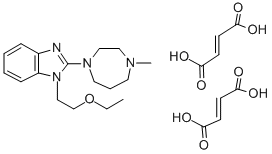
87233-62-3
- Product Name:Emedastine Fumarate
- Molecular Formula:C25H34N4O9
- Purity:99%
- Molecular Weight:534.56
Product Details:
CasNo: 87233-62-3
Molecular Formula: C25H34N4O9
Appearance: White to off-white Powder
Packing: Bottle
Throughput: 100KG/Month
Purity: 99%
Emedastine Difumarate
CAS:87233‑62‑3
Brand name:EMADINE®(埃美丁)
Drug class:Second‑generation, highly‑selective histamine H₁‑receptor antagonist (topical anti‑allergic ophthalmic agent)
Molecular Weight:534.56
✅ Official Indication
EMADINE® (emedastine difumarate) 0.05% ophthalmic solution is indicated for the temporary relief of the signs and symptoms of allergic conjunctivitis in patients 3 years of age and older
Approved route: topical ocular instillation; typical dosage: 1 drop into affected eye twice daily, may increase up to 4 times daily if needed
📄 Detailed Product English Description
Emedastine difumarate (commonly referred to as emedastine fumarate) is a second‑generation benzimidazole‑derived antihistamine. It acts as a potent and relatively selective competitive antagonist of histamine H₁‑receptors, with very low binding affinity toward H₂, H₃, adrenergic, dopaminergic and serotonin receptors. Upon topical ocular administration, it competitively blocks histamine‑mediated conjunctival vasodilation, vascular hyper‑permeability, edema, pruritus and inflammatory cell infiltration. It also exhibits supplementary anti‑inflammatory activity by inhibiting leukotriene‑B4‑driven eosinophil recruitment and pro‑inflammatory cytokine release from conjunctival epithelial cells. The API appears as white to off‑white crystalline powder, freely soluble in water. The marketed finished dosage is sterile 0.05% ophthalmic eye‑drop solution. Onset of symptom relief occurs within 15‑30 minutes after instillation, and therapeutic effect can persist for up to 8 hours. It shows minimal systemic absorption after eye‑drop application, resulting in low incidence of central sedative side‑effects compared with first‑generation antihistamines. Apart from ophthalmic topical usage, oral formulations of emedastine difumarate have also been developed in some regions for allergic rhinitis and allergic dermatitis management.
Safety brief note
Most frequent local adverse events include ocular burning, stinging, conjunctival hyperemia and dry eyes. Hypersensitivity to emedastine difumarate is contraindicated. For ophthalmic use only; do not inject or ingest. Safety beyond continuous 6‑week treatment has not been established
Relevant Products
-
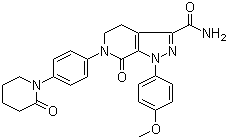 Apixaban
CAS:503612-47-3
-
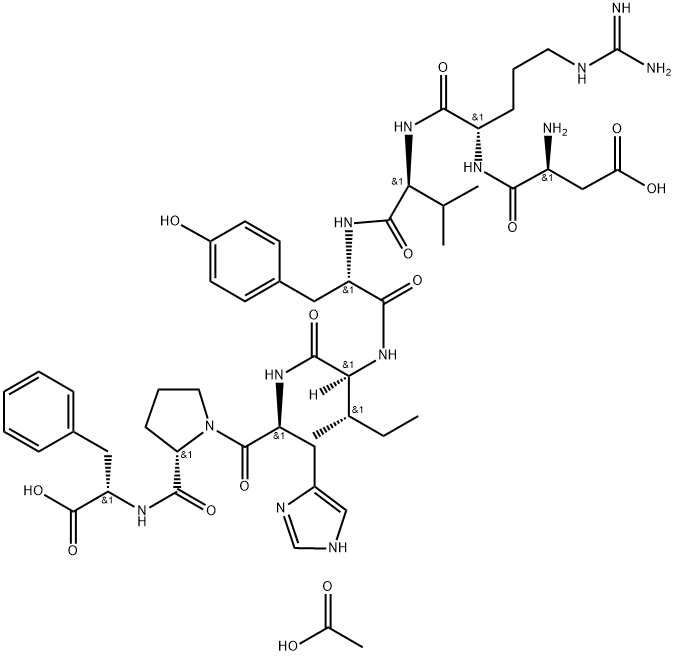 Angiotensin II Acetate
CAS:68521-88-0
-
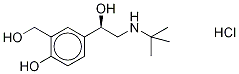 Levalbuterol Hcl
CAS:50293-90-8


